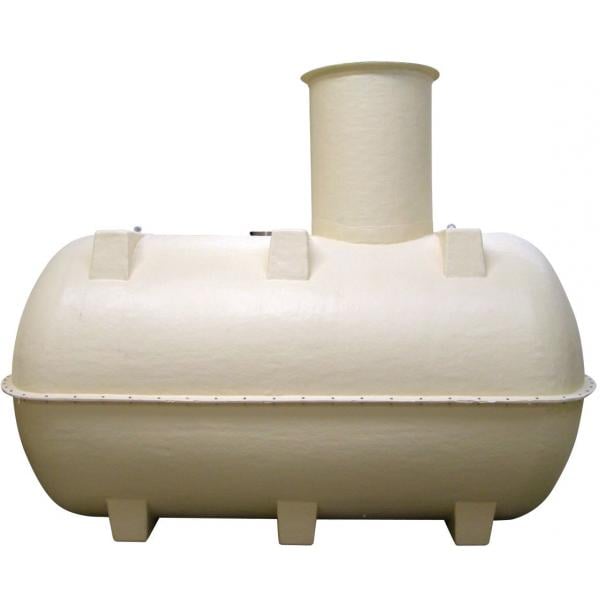
Welcome to our comprehensive collection of septic tanks for sale, providing reliable and certified wastewater solutions for homes and businesses not connected to the public sewer system. Whether you are replacing an old system or planning a new build, we stock the industry's leading tanks from manufacturers like Marsh, Harlequin, Graf and Atlantis, all designed to meet stringent UK and EU environmental regulations.
Our range includes durable GRP septic tanks and innovative shallow dig options, ensuring you can find the perfect system for any site condition.
Selecting the correct tank size is crucial for compliance and long-term performance. All UK septic tank systems must be sized based on the Population Equivalent (PE) of the property, not the current number of occupants.
To find the minimum required size, refer to the following guidelines:
Small Homes (Up to 3 Bedrooms): Typically require a 5 PE septic tank (Minimum 2,700 litres capacity).
Medium Homes (4 Bedrooms): Typically require a 6 PE septic tank (Minimum 3,000 litres capacity).
Larger Capacity: For properties exceeding 9 people, the size is calculated by adding 150 litres per additional person to a 3,800 litre base.
It is essential that your septic tank is CE marked and certified to BS EN 12566-1 for installation. Crucially, the General Binding Rules for small sewage discharge (SSD) in England state that a septic tank cannot discharge to a watercourse (stream, river, ditch) and must discharge to a drainage field (soakaway).
Need a System for Direct Discharge? If you need to discharge to a watercourse, you require a Sewage Treatment Plant, which treats wastewater to a much higher standard. View our Sewage Treatment Plants category here.
We offer a range of reliable septic tank designs to suit various site requirements:
GRP Septic Tanks (Glass Reinforced Plastic): Highly durable, lightweight for easier installation, and corrosion-resistant. Many models feature a robust heavy-duty shell.
Shallow Dig Septic Tanks: Ideal for sites with high groundwater levels or difficult digging conditions, reducing the installation depth and overall site disruption.
Onion/Spherical Tanks: A traditional and proven design that maximises settlement efficiency.
Integrated Polylok Filters: Look for tanks featuring an integrated effluent filter, like the Marsh Euro:Septic range, to improve discharge quality and extend the lifespan of your drainage field by preventing solids build-up.