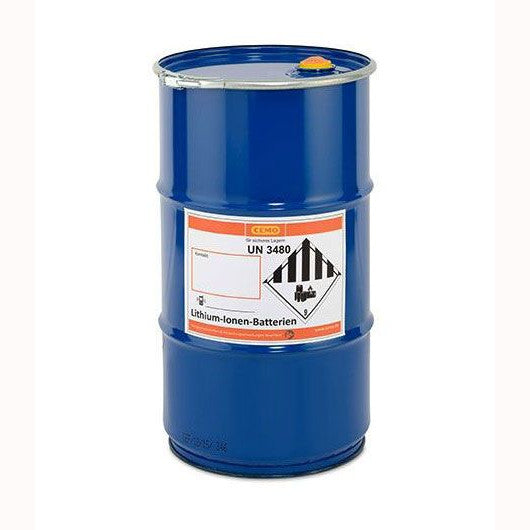
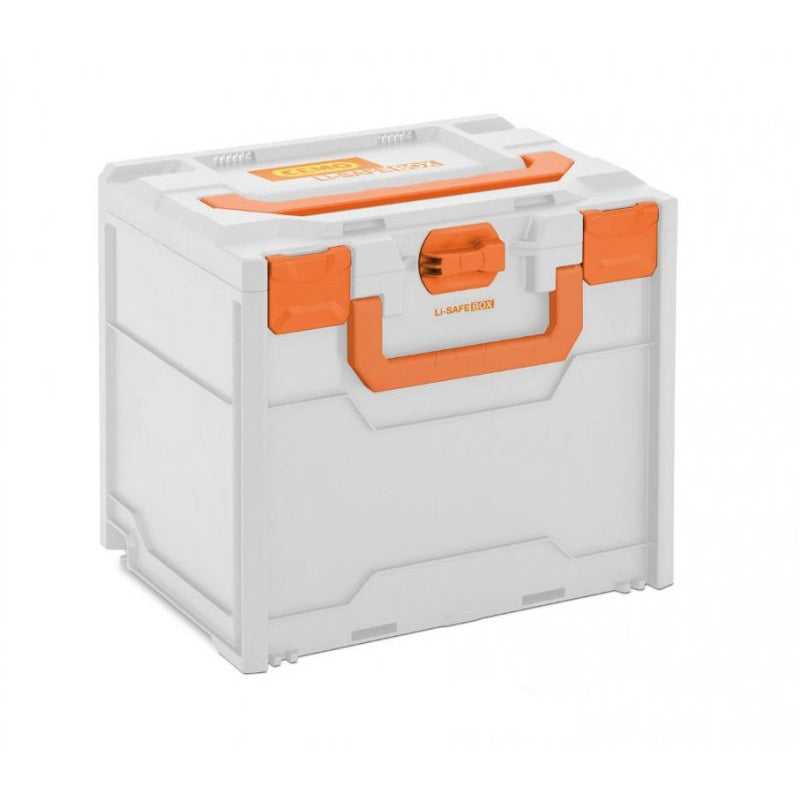
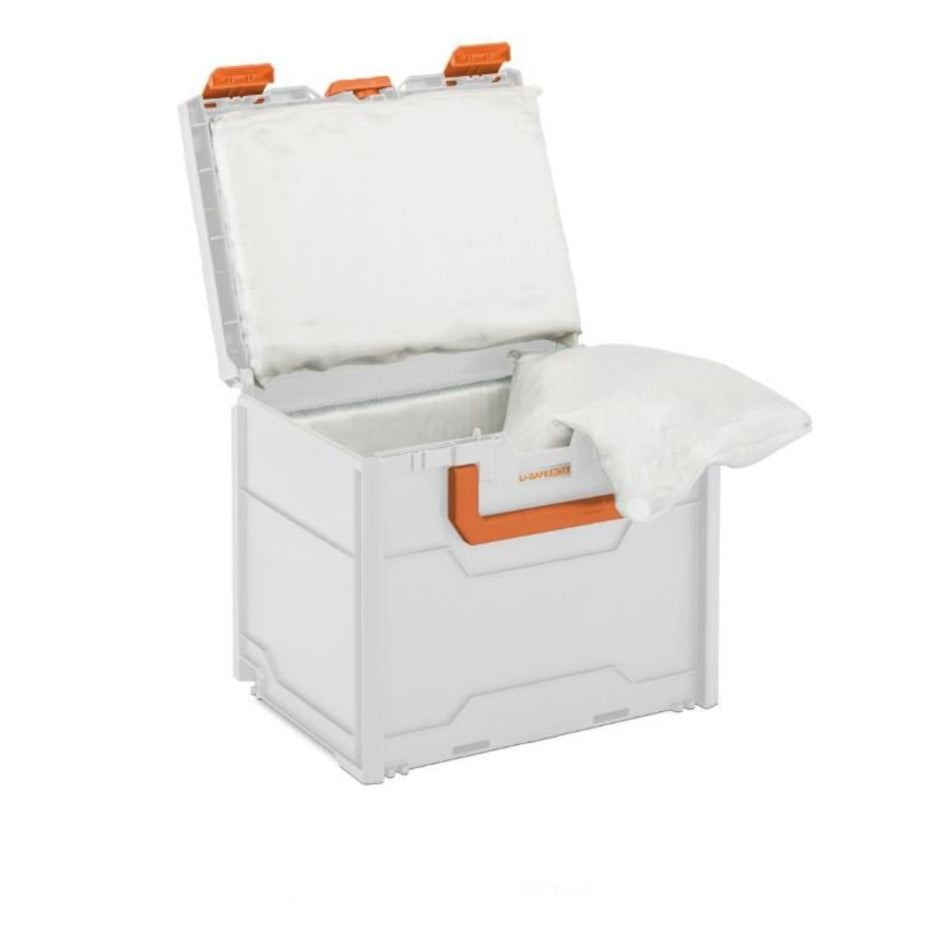
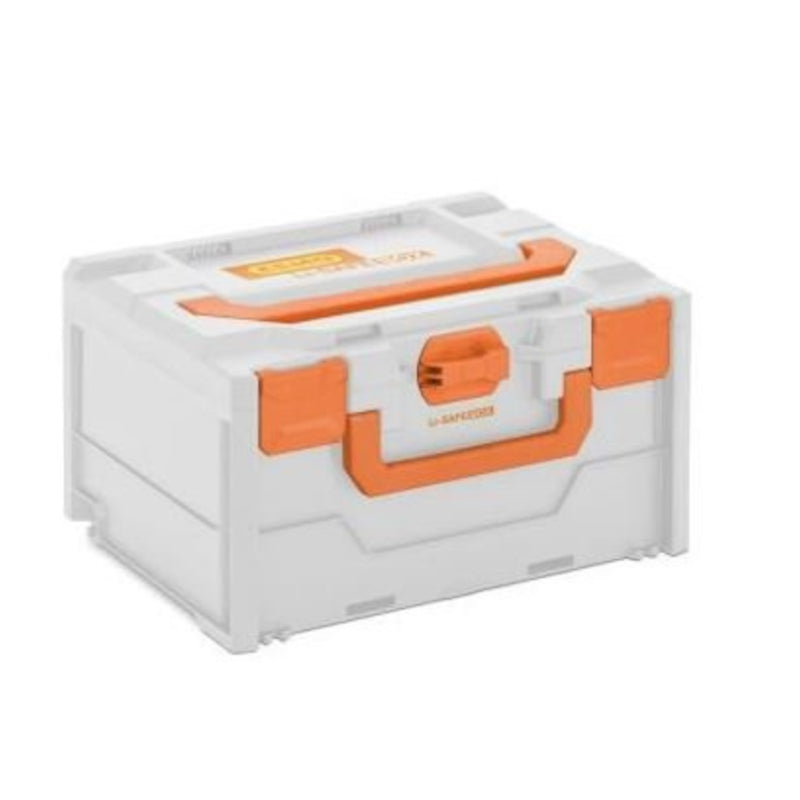
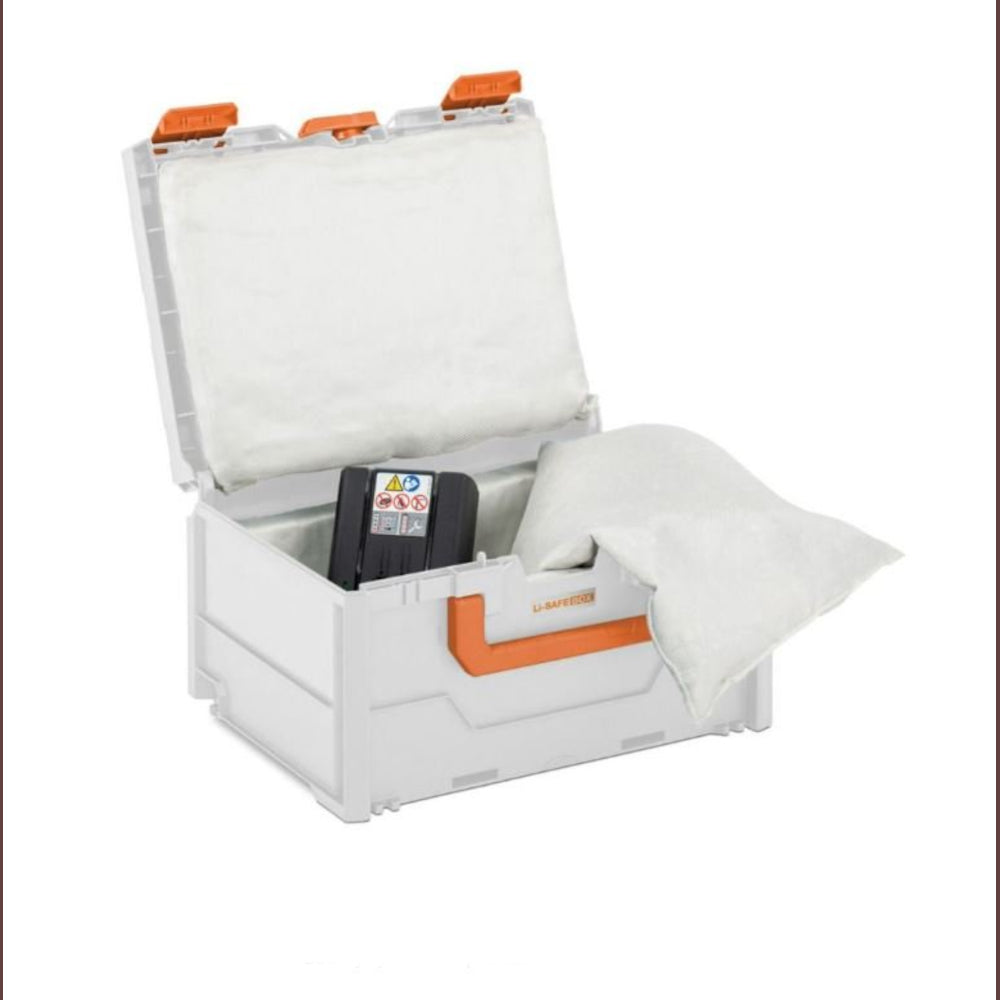
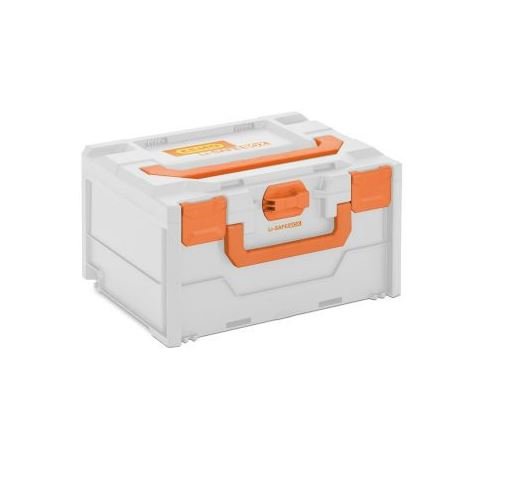
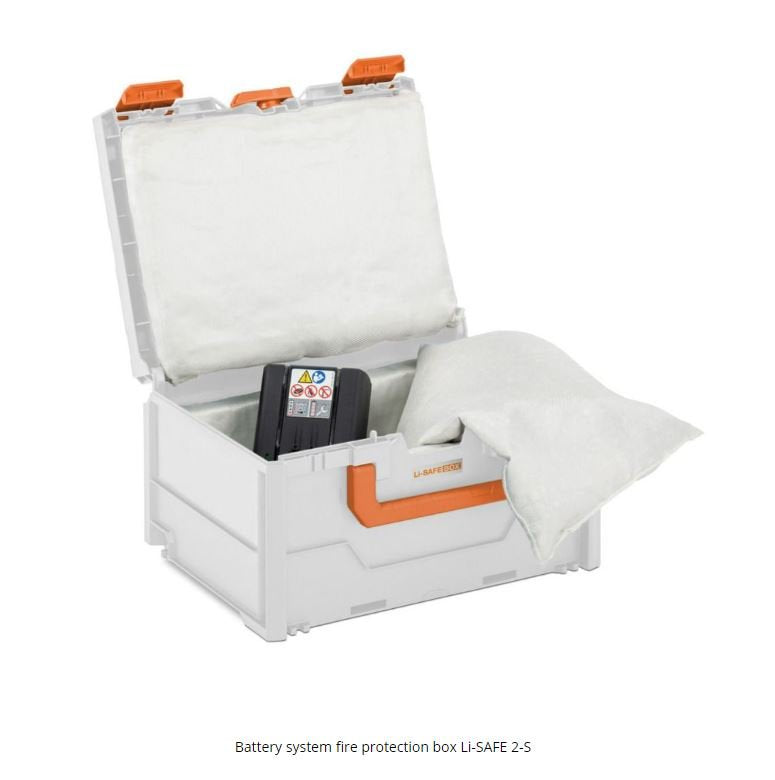
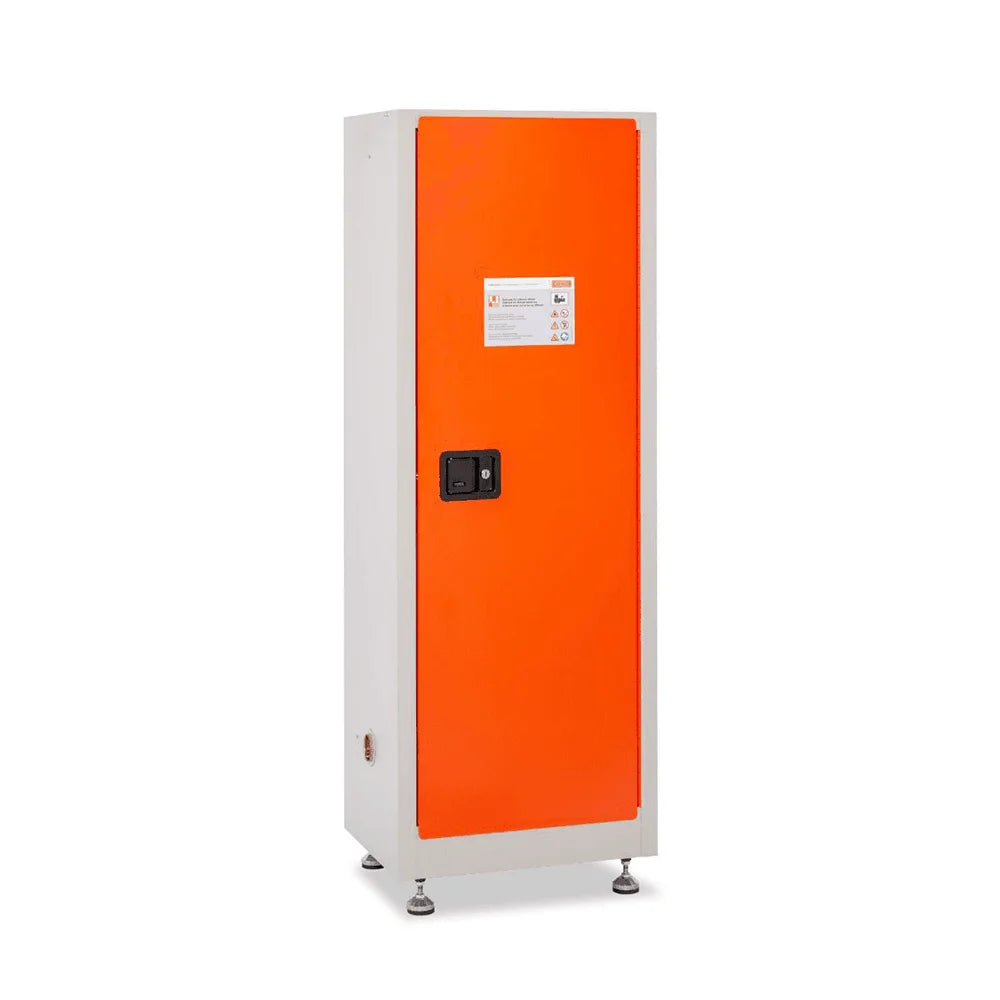
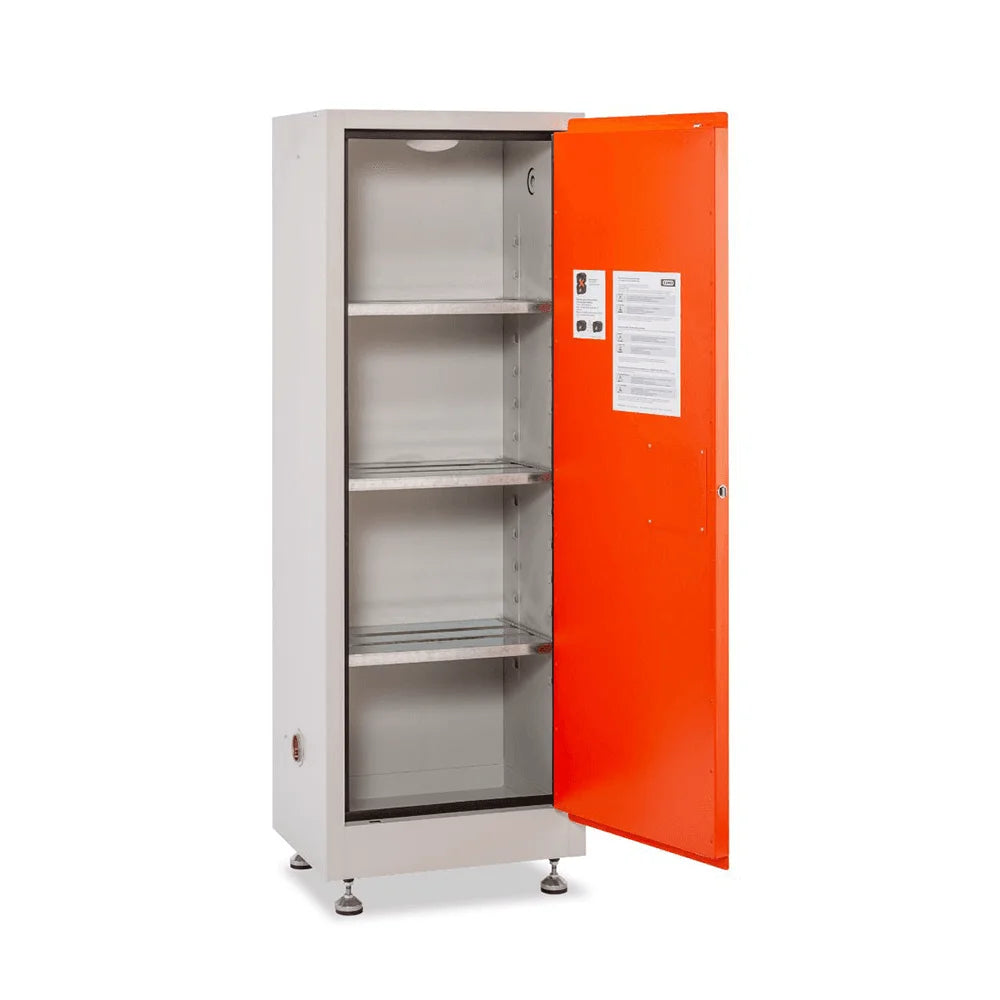
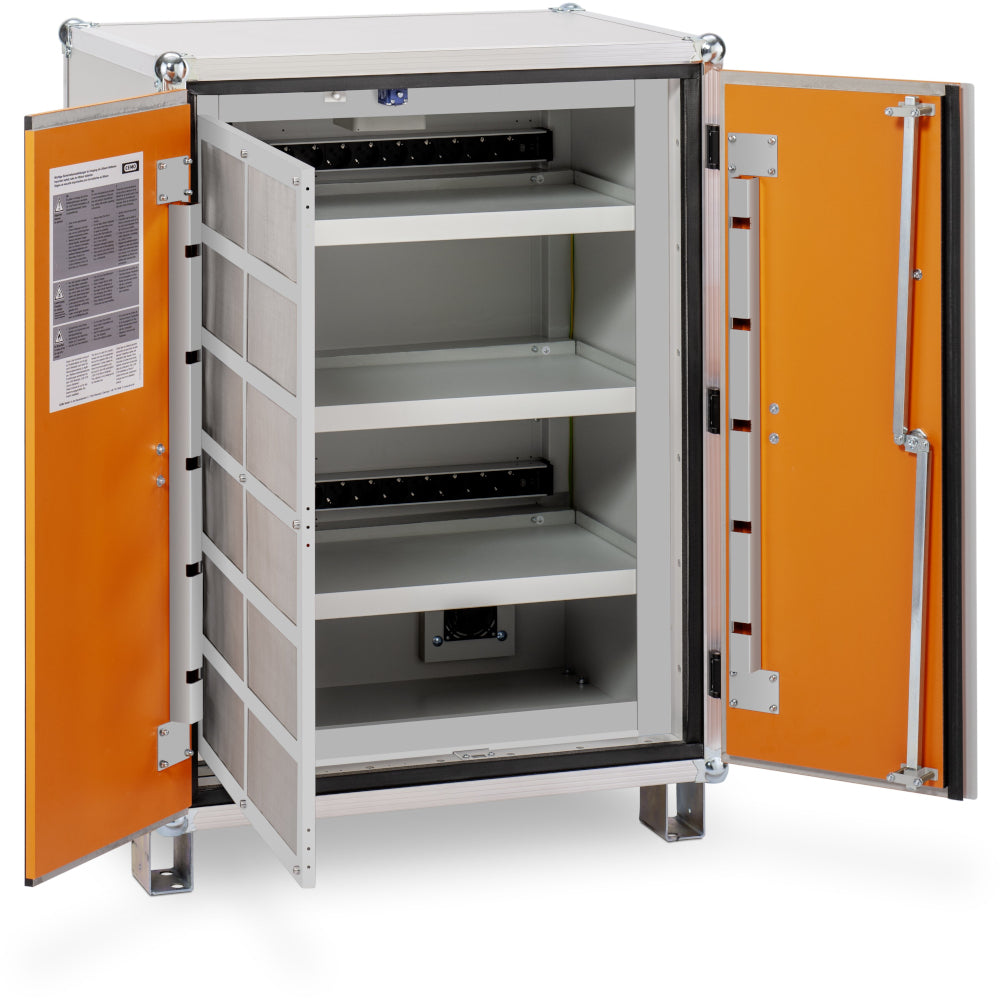
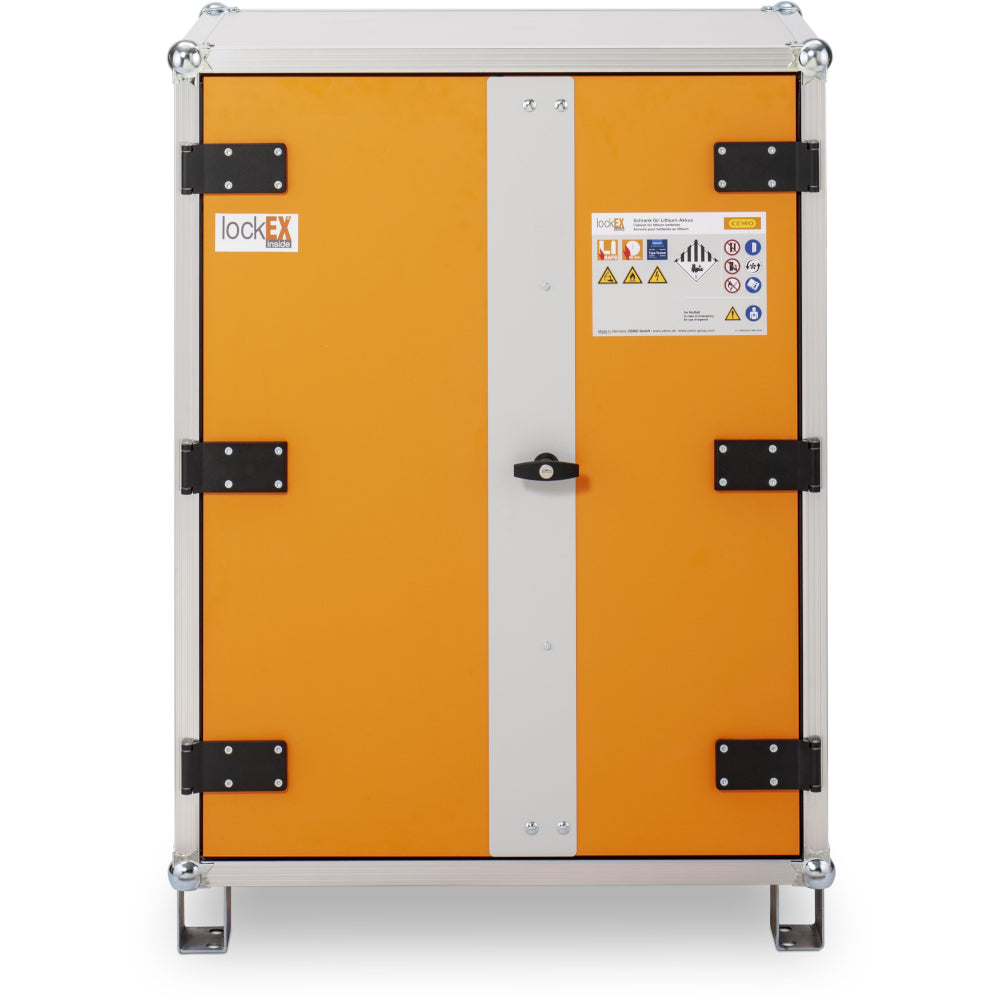
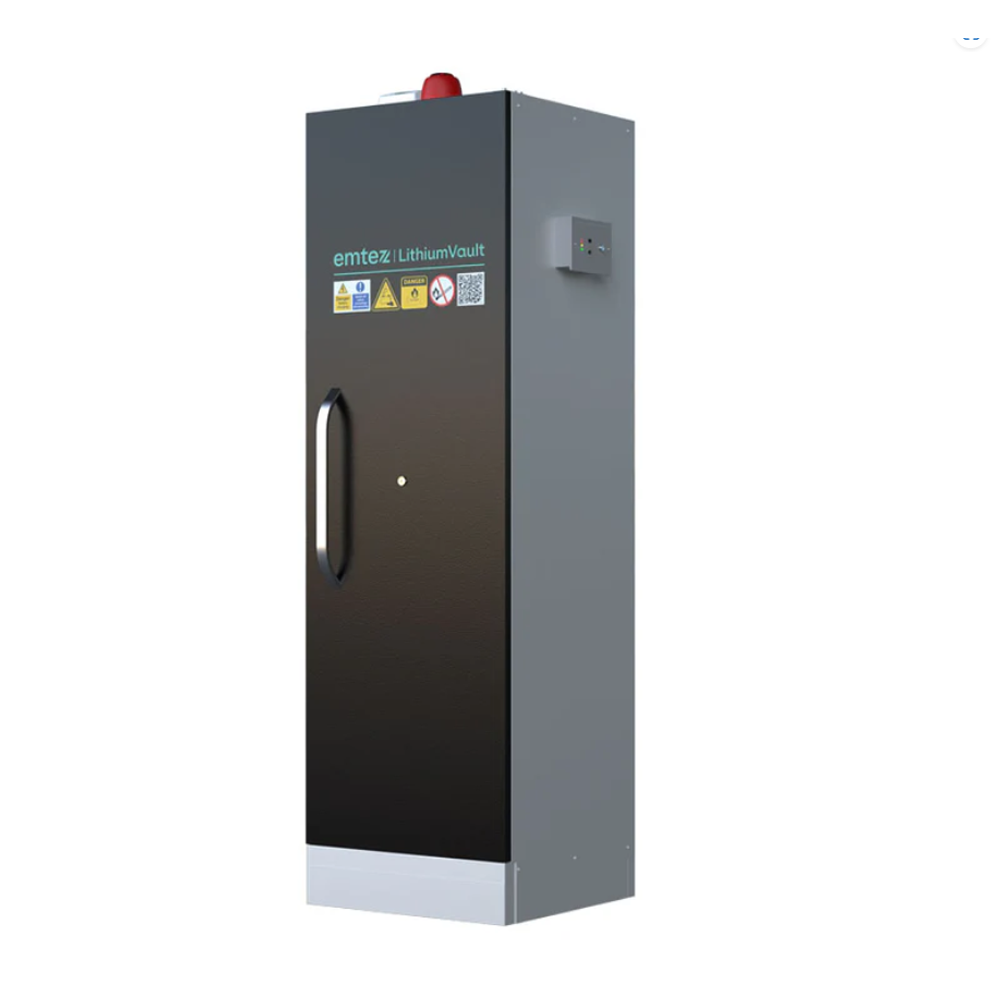
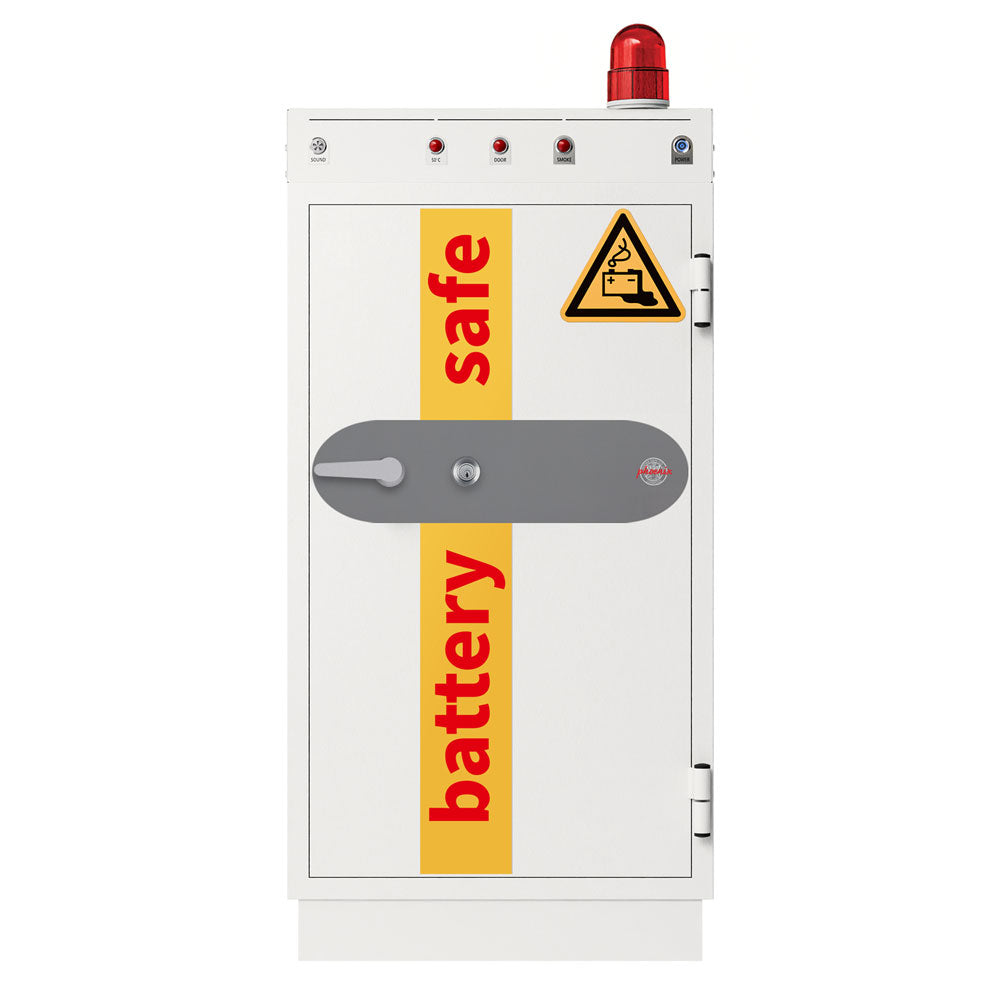
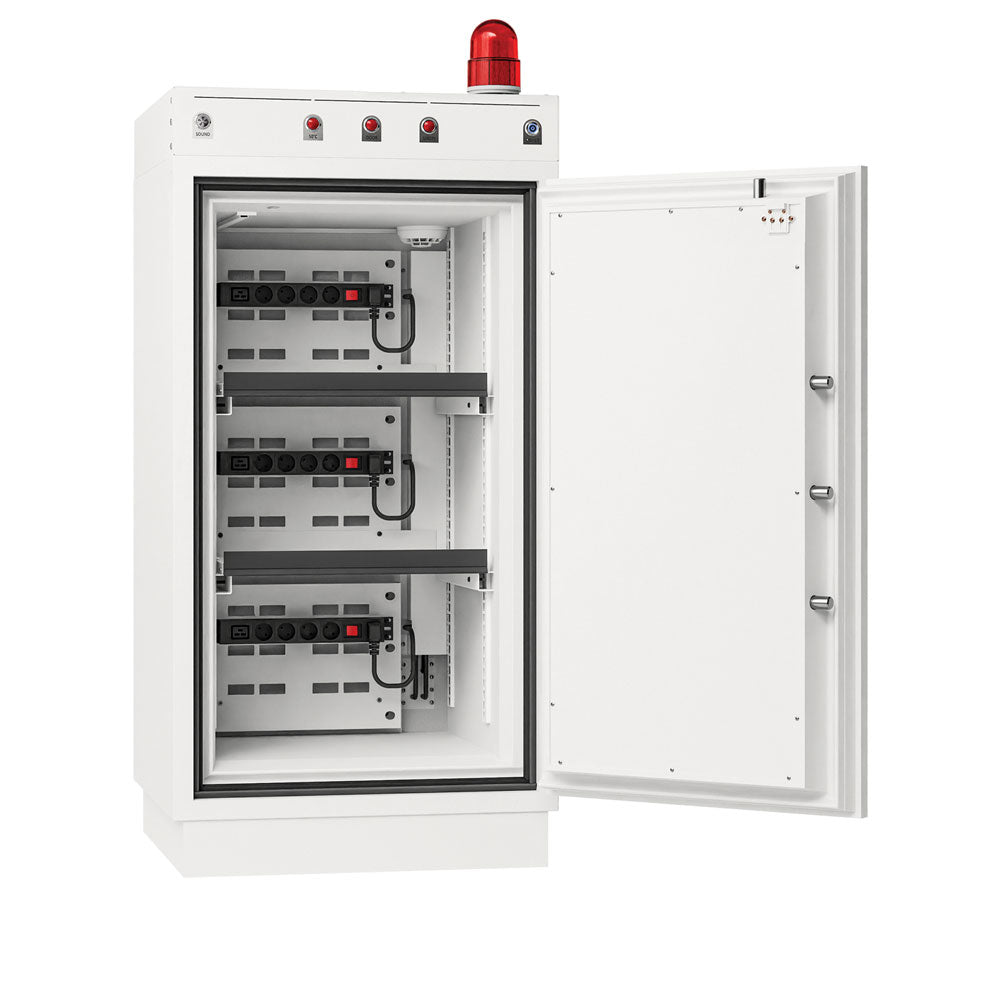
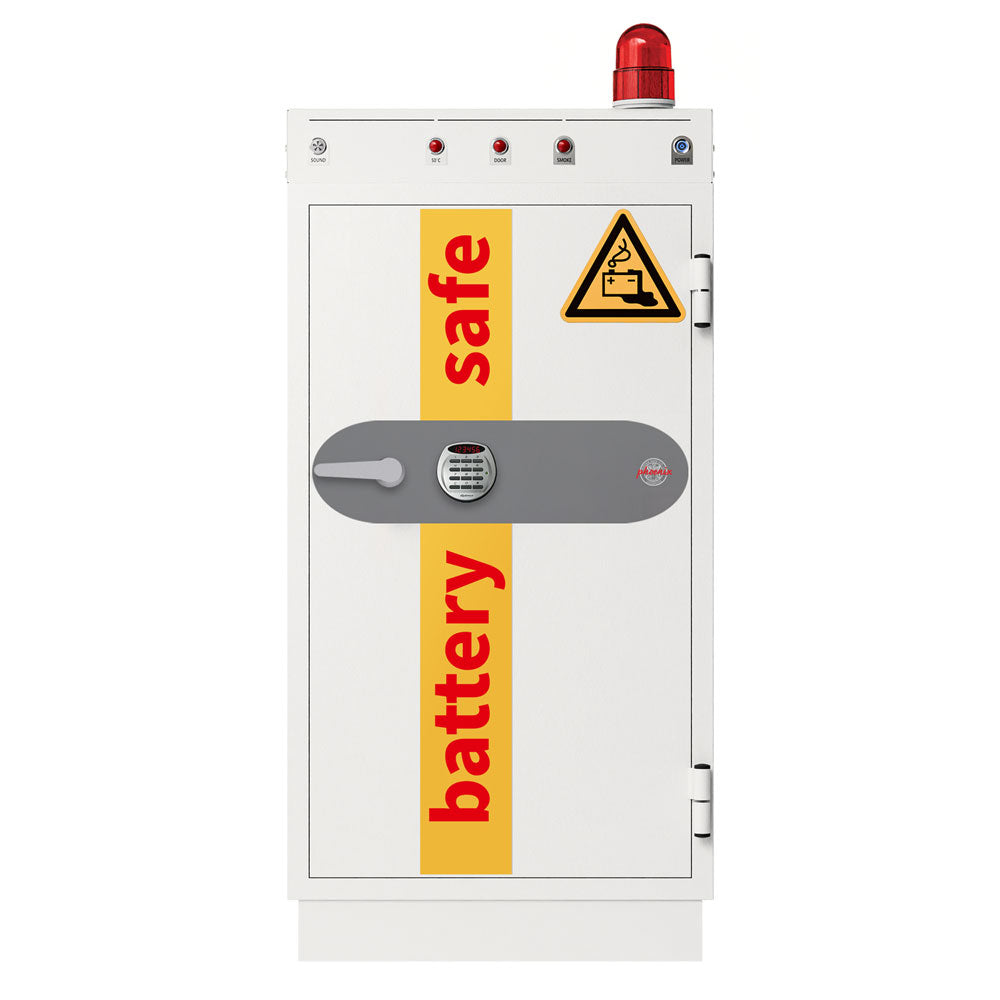
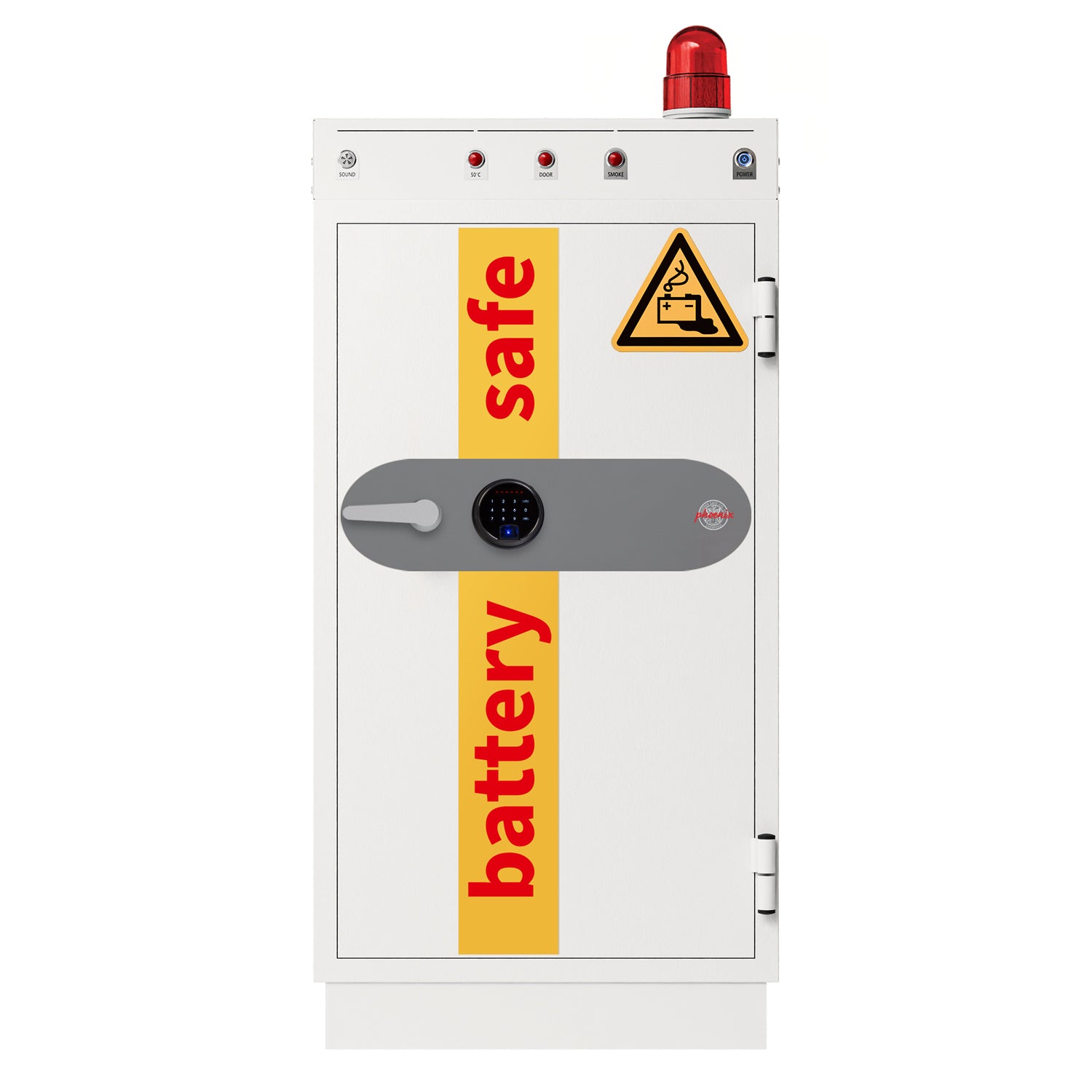
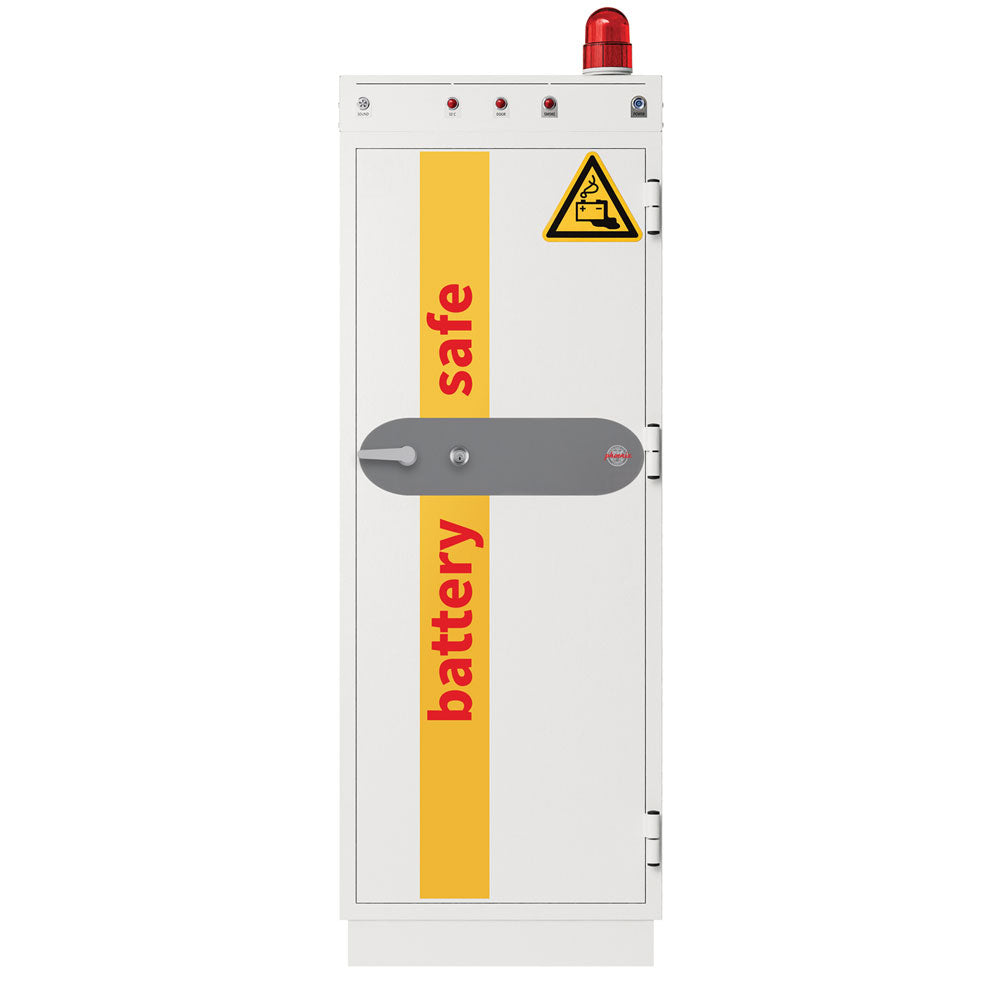
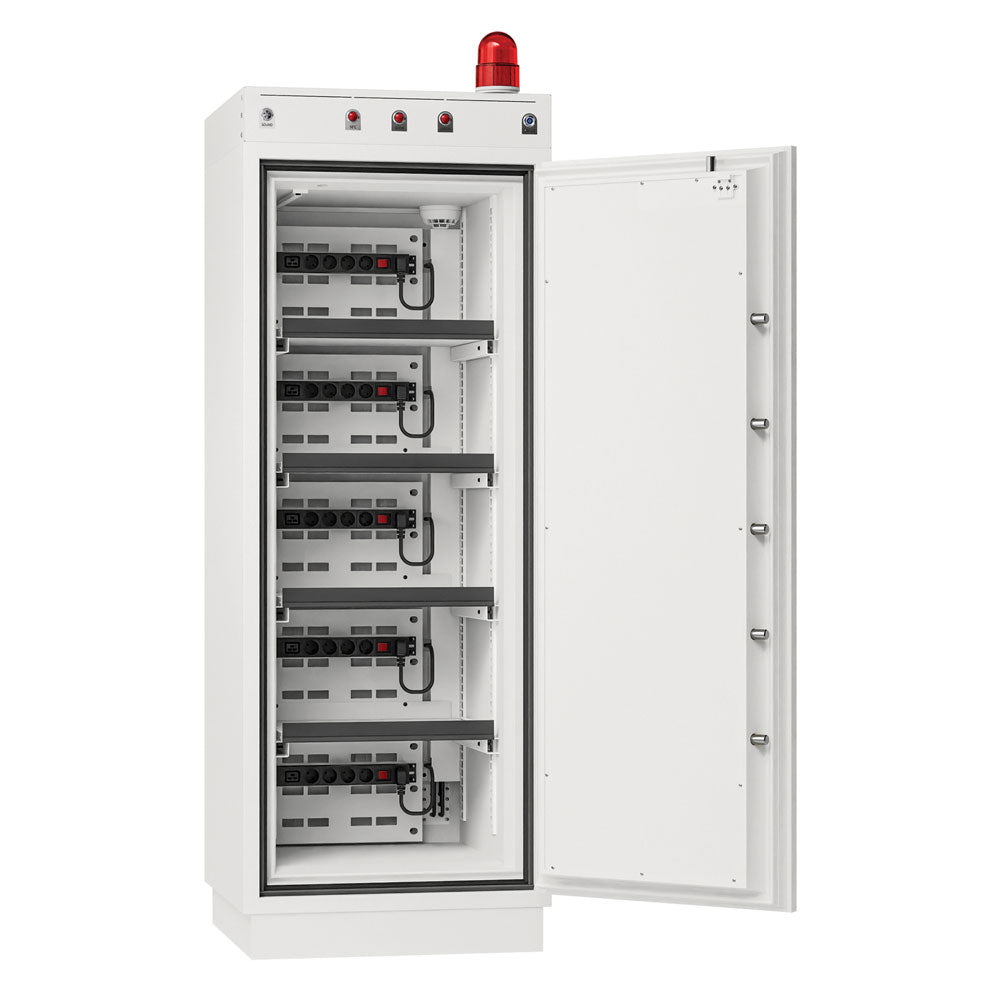


Managing the "passive" storage of lithium-ion batteries requires more than just a standard metal locker. Lithium-ion Battery Storage Cabinets are specialized safety units designed to contain the extreme heat and toxic gases produced during a battery failure. These systems are essential for workplace safety, ensuring your facility meets high-level standards such as the Type 90 (90-minute) fire rating.
The unique danger of lithium-ion batteries is that they burn from the inside out.
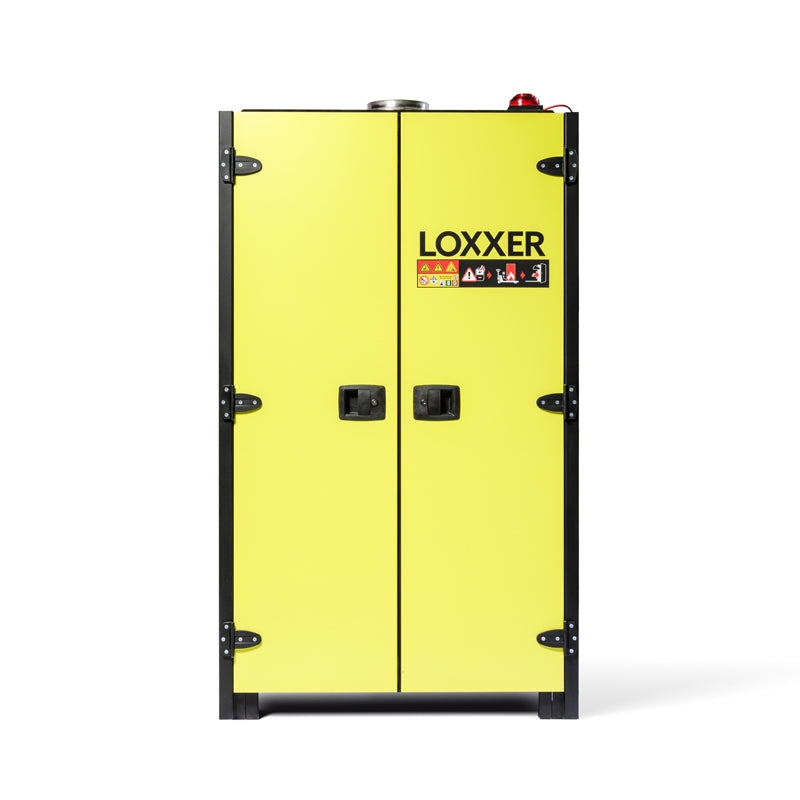
90-Minute Fire Resistance: High-quality cabinets are tested to EN 14470-1 standards, meaning they can contain an internal battery fire for an hour and a half, preventing it from spreading to the rest of your building.
Automatic Closing Systems: If a fire starts while the doors are open, thermal links will automatically trigger the doors to close and lock, sealing the hazard inside.
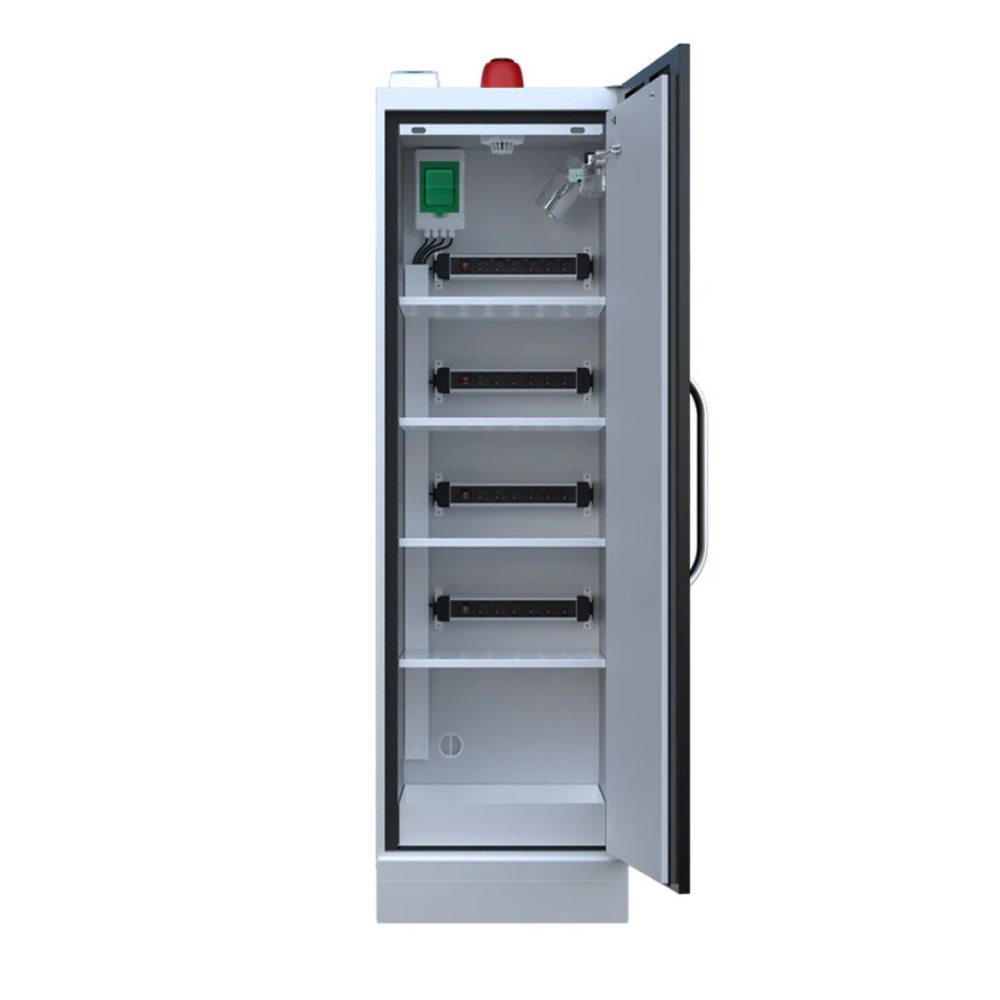
Spill Containment: Every cabinet features a bottom sump to capture highly flammable and corrosive electrolytes that may leak from damaged cells.
Advanced Insulation: Built with multi-layer fire-resistant panels and "cold-smoke" seals to prevent the escape of toxic fumes.
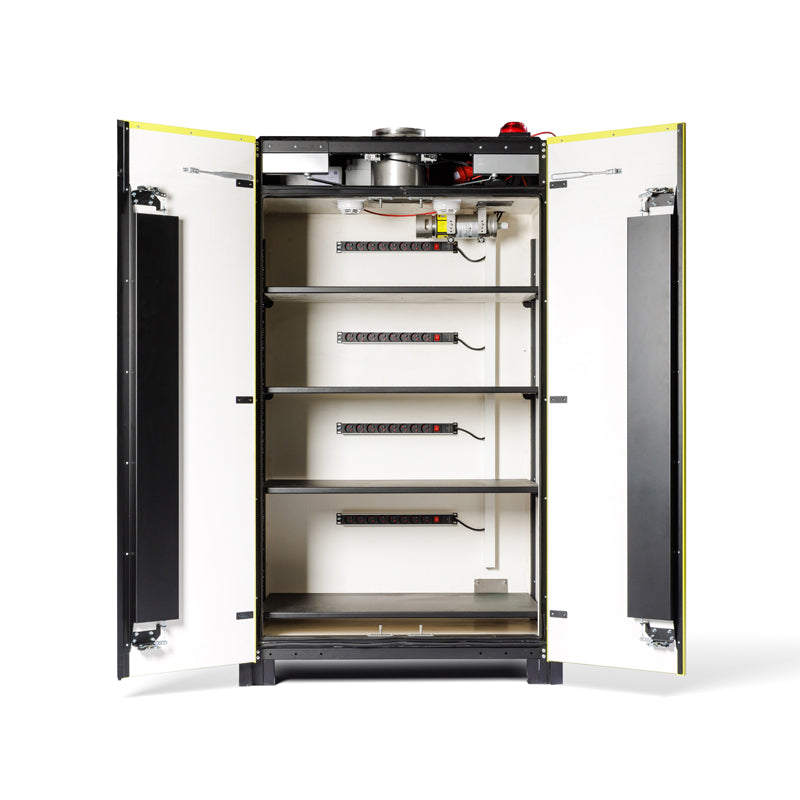
Passive Ventilation: Integrated vents with flame arrestors allow for natural airflow to keep batteries cool while ensuring that, in a fire, the vents seal shut automatically.
Secure Access: Lockable doors prevent unauthorized access and protect expensive battery assets from theft or tampering.
Integrated Pallet Base: Most large cabinets feature a built-in plinth, allowing for easy relocation via forklift or pallet truck—critical for moving a compromised unit out of a building.
When selecting a unit, it is important to distinguish between your needs:
Passive Storage: For storing new, used, or "end-of-life" batteries that are not being charged. These units focus on containment and alarm monitoring.
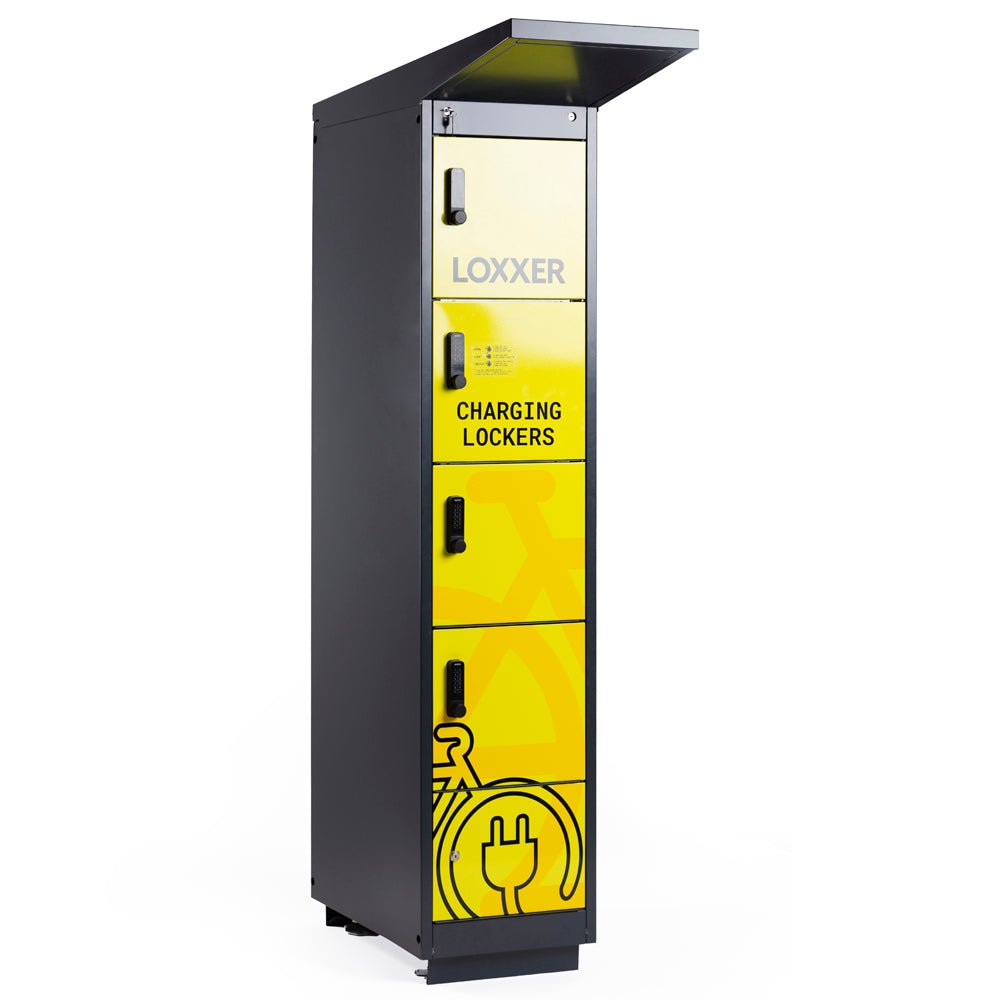
Active Charging: If you intend to charge batteries inside the unit, you should utilize Charging Cabinets which include power strips and forced-air cooling to manage the heat generated during the charging cycle.
For businesses, schools, and workshops, these cabinets are an essential part of a modern Fire Risk Assessment. Storing large quantities of lithium-ion batteries in a non-certified cupboard is a major fire hazard that can lead to catastrophic property damage and legal liability. By investing in a certified Type 90 cabinet, you are following best-practice guidelines recommended by fire services and insurance providers across the UK.