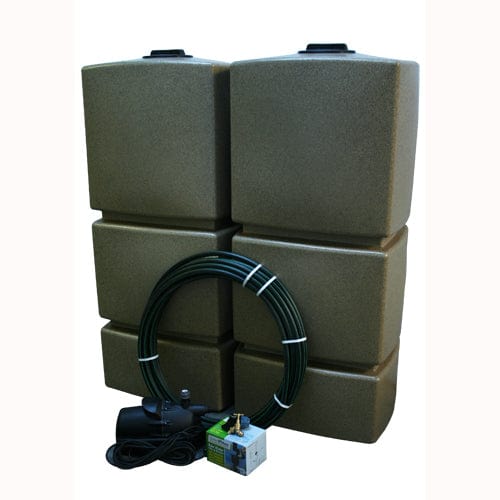
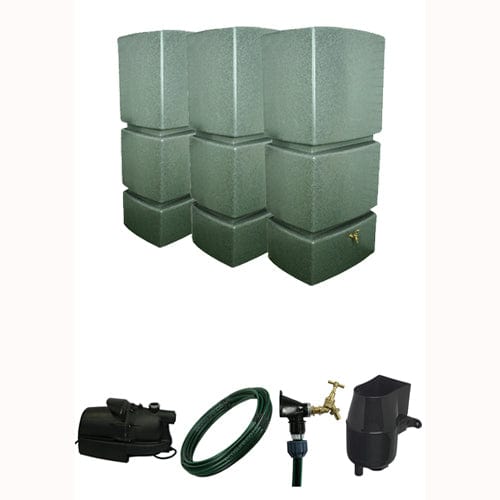
Our Water Butt collection offers an eco-friendly and cost-effective solution for garden maintenance. By harvesting free, mineral-rich rainwater from your roof, you can keep your plants healthy while significantly reducing your mains water consumption. From traditional barrels to sleek, space-saving designs, our range ensures that every garden, regardless of size, can contribute to a more sustainable future.
Water storage doesn't have to be unsightly. We provide a diverse range of styles to complement your outdoor space:
Space-Saving Slimline Butts: Ideal for side passages or small patios where floor space is limited.
Decorative Planter Butts: Dual-purpose units that act as a functional water reservoir while featuring an integrated planter on top for flowers or herbs.
Traditional Barrels: Classic designs that fit perfectly into cottage gardens and allotment settings.
Heavy-Duty Industrial Butts: Larger capacity units for allotment groups or commercial landscaping needs.
Every water butt in our collection is selected for its durability and ease of use. Key features include:
UV-Stabilized Materials: Manufactured from high-quality polyethylene that won't crack or fade under direct sunlight.
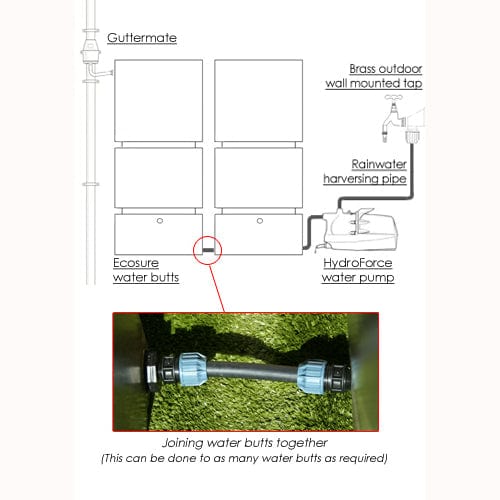
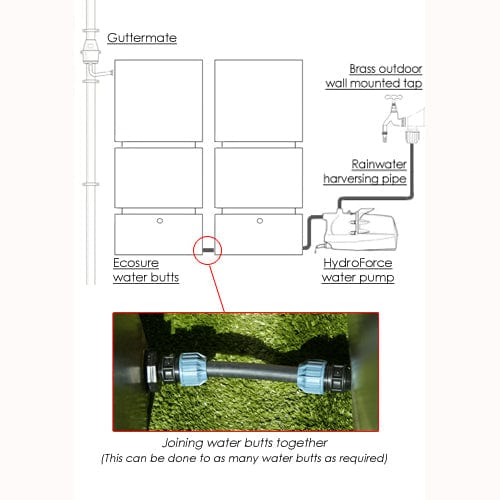
Complete Kits: Many of our butts are available with stands, taps, and downpipe diverters included, making installation a simple DIY task.
Removable Lids: Child-safe, lockable, or tight-fitting lids prevent debris from entering the water and keep the reservoir secure.
Beyond the obvious cost savings on your water meter, rainwater is actually better for your garden. Unlike treated mains water, rainwater is pH-neutral and free from chemicals like chlorine and fluoride, making it the ideal choice for sensitive plants, organic vegetable patches, and lawns. During summer hosepipe bans, a well-stocked water butt ensures your garden stays lush and hydrated without breaching local restrictions.
Setting up your water butt is straightforward. By using a Rainwater Diverter, you can connect the butt directly to your house or shed downpipe. Once the butt is full, the diverter automatically sends excess water back down the drain, preventing any overflow or flooding near your building's foundations.